
500ml Water Bottles: Best-Fit Uses and Custom Options
Key Takeaways
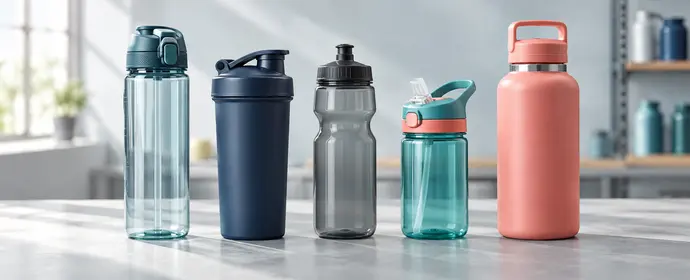
- A 500ml water bottle works best when refill access is easy or when the bottle is a single-serve or event item, since it requires more refills than larger formats.
- Closure choice (screw cap, flip top, push-pull, straw or squeeze) drives component count, cleaning routine and one-hand use more than bottle shape alone.
- Leak resistance is a system property of the assembled bottle, cap and seal, and should be supported by product-specific test documentation.
- Caps, straws and seals are product-specific; compatibility with other models should never be assumed without drawings or confirmation.
- A clear RFQ covering use case, resin, closure, carry feature, decoration, packaging and destination market reduces sampling revisions.
A 500ml water bottle (roughly 16 oz) is the most versatile small-format size for retail, promotional, school and gym programs, but its success depends on matching bottle structure, mouth and closure to the actual use case. Buyers should decide capacity role, closure type and component count before discussing decoration or pricing, because those structural choices drive tooling, packing density and cost direction.
The structural decisions the buyer should make first
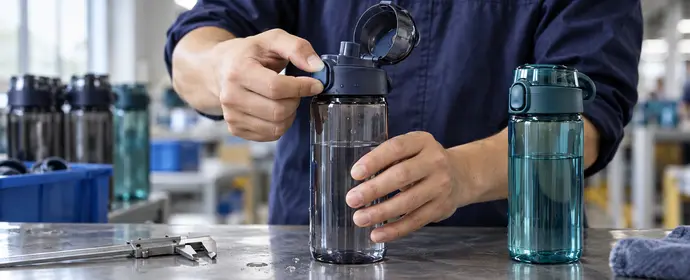
Before requesting samples, define four things: who uses the bottle, where it is refilled, how it is carried, and whether it is sold empty or filled. A 500 ml plastic water bottle sold as a retail private-label item needs a different structure from a giveaway bottle handed out at a trade show, even if both hold the same volume. The first decision is whether the bottle is a single-serve companion (short trips, events, kids’ lunchboxes) or a refillable daily bottle (office desk, gym bag, school backpack). The second is closure architecture: screw cap, flip top, push-pull spout, straw lid or squeeze valve. The third is whether the bottle carries a handle, loop or strap. The fourth is component count, since every added part (straw, gasket, dust cover, mixing ball) adds assembly, inspection and replacement-part considerations.
Buyers sourcing a custom 500ml water bottle program should also settle the resin family early, because material choice affects clarity, weight, feel and the compliance documents the supplier can provide. Tritan, PP, PC and PET each behave differently in molding, decoration and end-of-life messaging. The site’s guide to plastic water bottle types for custom orders is a useful starting point for narrowing the field before a specification is written.
Capacity, bottle dimensions, weight and refill-frequency trade-offs
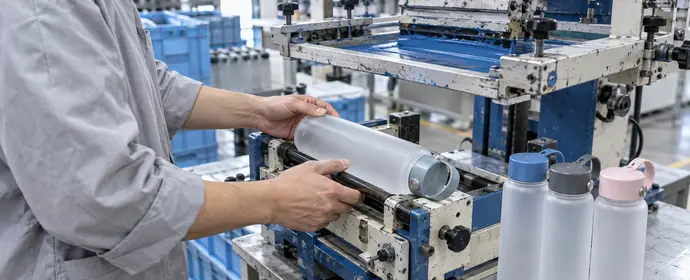
500 ml sits in a crowded middle ground. It is large enough to be a meaningful drink for a short outing, small enough to fit most car cup holders, backpack side pockets and lunch bags, and light enough for promotional distribution. The trade-off is refill frequency: a 500 ml bottle requires more refills than a 750 ml or 1L format during a workday or training session. For buyers, that means the 16 oz water bottle works best when refill access is easy (office, school, gym with fountains) or when the bottle is meant to be a single-serve or event item.
Dimensions are not universal. Wall thickness, base diameter, shoulder height and overall height vary by mold and by resin. A taller, slimmer 500 ml bottle may fit a bike cage or cup holder better than a short, wide bottle, while a wide-body bottle may be easier to clean and label. Weight is a separate lever: a heavier wall can feel more premium and resist denting better in some designs, but it raises resin consumption and shipping weight. Lighter walls reduce material use but may feel less substantial and can complicate decoration if the surface flexes. None of these figures should be assumed; request the applicable specification and sample for the selected model, and confirm measured dimensions against your packaging and retail display requirements.
Buyers planning a size range should compare the 500 ml format against larger options in the water bottle size guide before committing to a single SKU.
Bottle mouth and closure choices: screw caps, flip tops, push-pull spouts, straws and squeeze formats where relevant
The mouth diameter and closure type shape nearly every downstream decision. A narrow mouth with a standard screw cap is simple, low-component and familiar, but harder to fill with ice or clean thoroughly. A wide mouth improves filling and cleaning and supports flip tops, straw lids and infuser inserts, but often needs a larger cap and more plastic. The site’s wide mouth Tritan water bottle and flip top water bottle collections illustrate how mouth size and lid style are paired in practice.
- Screw caps are the simplest closure: fewer parts, easier assembly, straightforward replacement. They suit retail water, promotional bottles and basic refillable formats.
- Flip tops offer one-hand opening and a covered drinking surface, which appeals to sports and kids’ users. They add a hinge, lid and often a gasket.
- Push-pull spouts are common on sports and cycling bottles; the spout mechanism needs its own cleaning and replacement consideration.
- Straw lids suit kids, desk and commute use, but introduce a straw, sometimes a silicone bite valve, and a cleaning routine. The straw water bottle collection shows the range of straw-based formats.
- Squeeze formats rely on flexible bottle walls and a valve; they suit cycling and gym use but are a different construction from rigid bottles. See the squeeze water bottles category for context.
Do not assume a cap, straw or seal from one model fits another. Threads, gasket grooves and straw diameters are product-specific. If you plan to sell replacement lids or straws, confirm compatibility with the exact bottle model and request the relevant drawings.
Handles, carry loops, measurement markings and one-hand opening considerations
Carry features are often the difference between a bottle that gets used and one that stays in a bag. A molded loop or integrated handle adds convenience for school, gym and commuting, but it also changes the mold, packing footprint and stacking behavior. A separate strap or sleeve is more flexible across SKUs but adds a component and an assembly step. The 650ml Tritan water bottle with strap shows how a carry accessory can be integrated into a bottle design.
Measurement markings and motivational time markers are popular on larger bottles, and they can work on 500 ml formats for school and fitness programs. Markings are usually printed or molded, and their accuracy and durability depend on the decoration method and the bottle surface. Confirm how markings will be applied and how they will be validated before approving artwork.
One-hand opening matters for cycling, running and gym use. Flip tops, push-button lids and squeeze valves can support this, but the spring, hinge or valve adds parts and potential failure points. Test the actual mechanism on the selected model rather than assuming a lid style behaves the same across suppliers.
How structure affects use case, cleaning, packing density, component count, cost direction and production feasibility
Structure is a cost driver long before decoration enters the conversation. A one-piece bottle with a simple screw cap has fewer components, faster assembly and simpler quality checks. A straw lid with a gasket, dust cover and bite valve multiplies the part count, the assembly time and the number of tolerances that must align. That does not make complex lids wrong; it means the buyer should weigh the user benefit against the operational burden.
Cleaning is a structural issue. Wide mouths and removable lids are easier to clean; narrow mouths and integrated valves are harder. If the bottle is marketed for daily refilling with anything other than water, confirm with the supplier which cleaning method and which liquids are appropriate for the selected material and construction.
Packing density affects freight and warehouse cost. Tall, slim bottles pack differently from short, wide ones, and bottles with handles or attached straps may not nest or stack as efficiently. Ask for carton configuration and pallet quantity for the exact model rather than extrapolating from a similar bottle.
Production feasibility depends on the mold, the resin and the decoration method. Not every shape can be produced in every resin, and not every decoration method suits every surface. Buyers should confirm tooling availability, minimum order quantity and decoration capability for the specific project rather than assuming a catalog image represents an available configuration.
Leak-resistance design factors and compatibility checks for caps, seals and straws
Leak resistance is a system property, not a bottle property. It depends on thread engagement, gasket material and compression, lid alignment, hinge or valve design, and how the bottle is carried. A bottle that performs well upright may behave differently when inverted in a bag. Buyers should ask what testing the supplier performs on the assembled unit and request the applicable test document for the selected model; do not describe a bottle as leakproof without product-specific test support.
Compatibility checks should cover:
- Cap-to-bottle thread match and torque requirements.
- Gasket or O-ring material, fit and replacement availability.
- Straw length, diameter and valve fit for straw lids.
- Whether lids from one model are sold as compatible with another.
- Whether the assembled unit has been tested in the carry orientation your users will actually use.
Food-contact status, material grade and any market-specific compliance documentation also depend on the exact resin and supplier. Request the applicable specification and declarations for the destination market rather than relying on general category claims.
RFQ specification checklist and relevant category or product links
A clear RFQ shortens sampling and reduces revision cycles. Include the following in your request:
- Intended use case and sales channel (retail, promotional, school, gym, private label).
- Target capacity and any dimension constraints (cup holder, shelf, carton).
- Preferred resin family and any clarity or color requirements.
- Mouth diameter and closure type, plus whether replacement lids are planned.
- Carry feature (handle, loop, strap) and measurement markings.
- Decoration method and artwork placement.
- Packaging format and retail-ready requirements.
- Destination market and required compliance documents.
- Target quantity and delivery schedule.
Use the plastic water bottles category to compare formats, the sports water bottles and Tritan water bottles collections for material and use-case context, and the customization page for decoration and branding options. Buyers exploring private label programs can review private label water bottles, and those ready to move forward can submit an RFQ with the checklist above.
| Aspect | What to decide | Why it matters |
|---|---|---|
| Capacity role | Single-serve, event or refillable daily bottle | Drives refill frequency expectations and use case |
| Mouth and closure | Screw cap, flip top, push-pull, straw or squeeze | Affects cleaning, one-hand use and component count |
| Resin family | Tritan, PP, PC or PET | Influences clarity, weight, decoration and compliance documents |
| Carry feature | Handle, loop, strap or none | Changes mold, packing and assembly |
| Component count | Lid, gasket, straw, valve, dust cover | Raises assembly, inspection and replacement-part needs |
| Leak testing | Assembled-unit test in carry orientation | Leak resistance is a system property, not a bottle claim |
Start by comparing the 500 ml format against your other SKUs in the water bottles collection, then confirm the selected model’s specification, sample and compliance documents before finalizing artwork or purchase orders.
Frequently Asked Questions
What is a 500ml water bottle in ounces?
A 500ml water bottle is approximately 16.9 US fluid ounces, which is why it is often marketed as a 16 oz water bottle. Exact filled volume depends on the bottle's internal dimensions and fill line, so confirm the declared capacity on the selected model's specification.
Is 500ml a good size for promotional water bottles?
500ml is a practical promotional size because it is light, familiar and fits most bags and cup holders. Whether it suits your program depends on distribution channel, decoration method and budget; review the promotional water bottles page and request a quotation for the specific model.
Can I customize a 500ml plastic water bottle with my logo?
Yes, custom 500ml water bottles can typically be decorated with a logo, but the available methods depend on the bottle material, surface and supplier capability. Confirm decoration options, artwork requirements and proofing steps with the supplier before approving production.
Are straw lids and caps interchangeable between 500ml bottle models?
Not necessarily. Threads, gasket grooves and straw diameters are product-specific, so a lid from one model may not seal correctly on another. Ask the supplier for compatibility confirmation and drawings if you plan to sell replacement lids or straws.
What should I include in an RFQ for custom 500ml water bottles?
Include intended use, target capacity and dimension constraints, resin preference, closure type, carry features, decoration method, packaging format, destination market and target quantity. This lets the supplier confirm feasibility and provide an accurate quotation.