Water Bottle Size Guide: From 12 oz to 1 Gallon for Bulk Buyers
Key Takeaways
- Water bottle capacity should be matched to end-user drinking habits and portability needs, not just market trends.
- ODM development from existing molds allows color, logo, and packaging changes without new tooling, while structural changes require separate evaluation.
- MOQ and unit cost depend on bottle type, material, color, decoration, and order quantity; request a detailed quotation.
- A structured sampling path with written approvals reduces risk before mass production.
- A complete RFQ includes bottle type, capacity, material, closure, color, logo, packaging, quantity, and destination market.
Water bottle size is not just a number on a label; it determines material usage, mold selection, shipping cost, and how well the product fits the end user’s daily routine. For bulk buyers, the right capacity is the one that matches the target market’s drinking habits, retail channel, and branding goals—not simply the most common size on the shelf.
What the buyer must define before requesting a quote
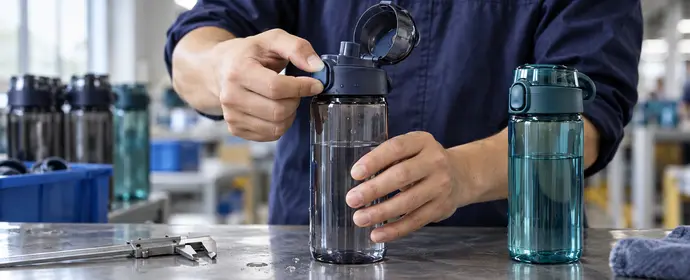
Before approaching a supplier, clarify the functional and commercial requirements that will shape the quotation. Start with the end user: will the bottle be used for gym sessions, office desks, kids’ school bags, cycling, or promotional giveaways? Each use case implies a different capacity range, closure type, and material preference. Next, define the sales channel—retail, online, corporate gifts, or wholesale—because packaging and labeling requirements vary. Finally, set a realistic order quantity and target unit cost, but keep them flexible until you understand how specification choices affect pricing. A well-defined brief reduces back-and-forth and helps suppliers propose suitable existing platforms rather than generic options.
Product brief: bottle type, capacity, material, closure, color, logo, packaging, quantity and destination market
A complete product brief covers eight elements. Use this as a checklist when preparing an RFQ.
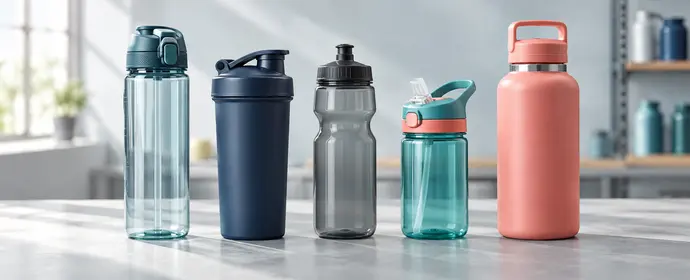
- Bottle type: Sports bottle, squeeze bottle, straw bottle, shaker, kids’ bottle, large-capacity jug, or infuser. Each type has distinct structural features and typical capacity ranges.
- Capacity: From 12 oz (about 350 ml) for kids and promotional items to 1 gallon (3.78 L) for high-intake users. Consider whether the bottle should fit standard cup holders or backpack pockets.
- Material: Common options include PP, PC, PETG, and Tritan. Each resin has different clarity, heat resistance, and food-contact compliance profiles. Request the applicable material specification and food-contact documentation for your destination market.
- Closure: Flip-top, push-button, straw, screw cap, chug cap, or shaker lid. Closure choice affects leak resistance, drinking experience, and mold complexity.
- Color: Solid, translucent, frosted, or custom Pantone matching. Confirm whether the color is achieved through masterbatch in the resin or through surface decoration.
- Logo and decoration: Screen printing, pad printing, heat transfer, laser engraving, or UV printing. Provide artwork files and specify placement, size, and color count.
- Packaging: Poly bag, color box, hang tag, shrink wrap, or display carton. Retail-ready packaging may require barcodes and regulatory labels.
- Quantity and destination market: Order volume per SKU and per color, plus the country of import. Destination determines labeling laws, food-contact regulations, and documentation needs.
For a deeper look at bottle types and their typical applications, see the plastic water bottle types buyer’s guide.
Existing molds versus new tooling, and when ODM development may be appropriate
Most bulk orders start from existing molds to save time and cost. Suppliers often have a range of platforms in common capacities—500 ml, 600 ml, 750 ml, 1 L, and larger—that can be customized with different colors, closures, and decorations. This approach, often called ODM (original design manufacturing), lets buyers leverage proven designs while adding their brand elements. Structural changes—such as a new bottle shape, a unique grip pattern, or a different neck finish—typically require new tooling, which involves separate evaluation for cost, lead time, and minimum order quantity. New tooling does not automatically mean a higher MOQ, but it does require a dedicated project discussion. If your design concept is not yet finalized, ask the supplier whether an existing platform can be adapted before committing to new molds.
Sampling path: stock sample, decorated sample, pre-production sample and approval records where relevant
Sampling is a critical step to verify appearance, function, and decoration quality before mass production. The typical path includes:
- Stock sample: A standard product from existing molds, often undecorated, to evaluate basic shape, capacity, and closure function.
- Decorated sample: A stock bottle with your logo and colors applied, to check print quality, color accuracy, and placement.
- Pre-production sample: A sample made with the final production specifications, including packaging, to confirm all details before bulk manufacturing.
Keep written approval records for each sample stage, including photos and signed sign-off sheets. These records help resolve any discrepancies later. Note that sample lead time and cost depend on the complexity of customization and the supplier’s current workload; request a sample timeline with your quotation.
How MOQ, quotation, production timing and unit-cost direction depend on specification and order structure
Minimum order quantity (MOQ) is rarely a single number; it varies by bottle type, material, color, and decoration method. For example, a custom Pantone color may require a higher MOQ than a stock color because of resin batching. Similarly, multi-color printing or special packaging can raise the MOQ. Quotations typically include unit price, mold cost (if new tooling is needed), sample fee, and tooling lead time. Production timing depends on order quantity, material availability, and decoration complexity. Unit cost generally decreases as order quantity increases, but the curve flattens at a certain point. To get an accurate quote, provide the full product brief and ask for a breakdown of costs and lead times. Avoid comparing unit prices without confirming the included specifications and terms.
Quality confirmation, inspection scope, packaging, carton marks, shipping terms and documentation
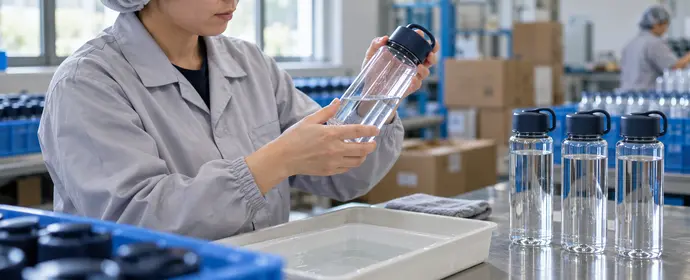
Quality expectations should be documented before production. Specify the inspection scope: pre-production sample approval, in-line checks, and pre-shipment inspection. Common checkpoints include bottle dimensions, weight, color match, print adhesion, closure function, and leak testing. Packaging requirements—such as individual poly bags, inner boxes, and master carton strength—should be agreed upon. Carton marks must comply with the importer’s requirements and destination regulations. Shipping terms (FOB, CIF, EXW) affect cost and risk transfer; clarify them early. Documentation may include commercial invoice, packing list, bill of lading, and certificates of analysis or compliance for the materials used. Always request the applicable test reports and certificates for your market; do not assume they are included.
RFQ checklist for an accurate quotation and the next step for submitting project details
Use this checklist to prepare a complete RFQ:
- Bottle type and reference product (if any)
- Capacity in ml or oz
- Material preference (PP, Tritan, etc.)
- Closure type
- Color requirements (stock or Pantone)
- Logo artwork and decoration method
- Packaging details
- Order quantity per SKU and total
- Destination market and any compliance requirements
- Target delivery date
With these details, a supplier can respond with a realistic quotation and timeline. To move forward, submit your project details through the RFQ page or contact the sales team directly.
| Aspect | Considerations |
|---|---|
| Capacity range | 12 oz to 1 gallon; match to end-user drinking habits and portability needs. |
| Material | PP, PC, PETG, Tritan; each has different clarity, heat resistance, and compliance profiles. |
| Closure | Flip-top, straw, screw cap, shaker lid; affects leak resistance and mold complexity. |
| Customization | ODM from existing molds with color, logo, and packaging changes; new tooling for structural changes. |
| Sampling | Stock, decorated, and pre-production samples; keep written approval records. |
| MOQ and cost | Varies by specification; unit cost generally decreases with quantity. |
| Quality and logistics | Define inspection scope, packaging, carton marks, shipping terms, and documentation. |
Choosing the right water bottle size for bulk orders is a balance of user needs, manufacturing feasibility, and commercial terms. A clear brief and a structured RFQ will help you get accurate quotes and avoid costly surprises.
Frequently Asked Questions
What is the most common water bottle size for bulk orders?
Common sizes vary by market and use case. For sports and fitness, 500 ml to 1 L are popular; for kids, 12 to 16 oz; for high-intake users, 2 L to 1 gallon. The best size depends on your target audience and sales channel.
Can I customize the bottle size without new tooling?
Capacity is determined by the mold. To change capacity, new tooling is typically required. However, you can customize color, closure, logo, and packaging on existing molds.
How does bottle size affect shipping cost?
Larger bottles take up more space and may weigh more when filled, but shipping cost is primarily driven by carton dimensions and weight. Optimizing packaging and choosing nestable or stackable designs can help reduce freight costs.
What material is best for a 1-gallon water bottle?
Common materials for large bottles include PP and PC for durability, and Tritan for clarity and impact resistance. The choice depends on your market requirements and whether the bottle will be used for cold or hot liquids.
How do I choose between 12 oz and 16 oz for kids' water bottles?
12 oz is lighter and easier for younger children to handle, while 16 oz suits older kids or longer outings. Consider the age of the target user and whether the bottle needs to fit in a school bag pocket.