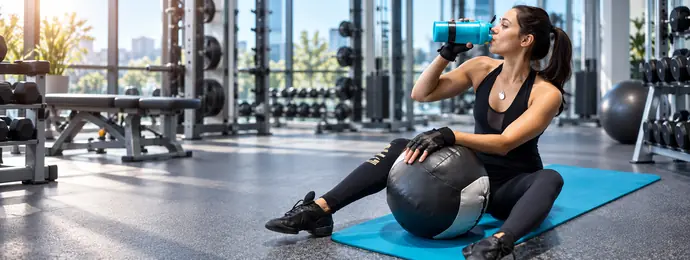
How to Choose Sports Water Bottles for Teams, Gyms and Brands
Key Takeaways
- A complete sports water bottle brief covers bottle type, capacity, material, closure, color, logo method, packaging, quantity and destination market.
- Existing molds and ODM platforms allow color, closure, decoration and packaging adjustments, while new tooling requires separate evaluation and may affect order quantity.
- MOQ and unit cost depend on mold availability, material, color, decoration, packaging and order structure, not on a single fixed number.
- Sampling should include stock, decorated and pre-production stages with written approval records to confirm the final specification.
- Quality confirmation, inspection scope, packaging, carton marks, shipping terms and documentation should be agreed before production begins.
What should a brand owner or procurement team define before sourcing sports water bottles in bulk? The answer is a complete specification: bottle type, capacity, material, closure, color, logo method, packaging, quantity and destination market. Without that, quotations are not comparable and sampling becomes guesswork.
What the buyer must define before requesting a quote
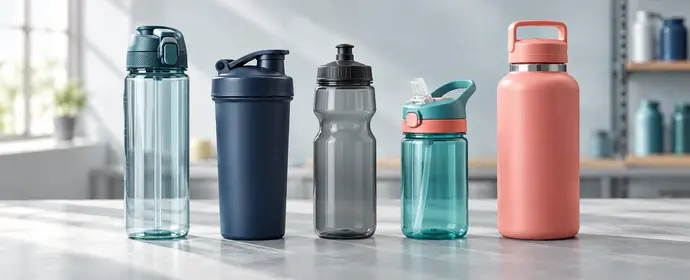
A sports water bottle project fails at the quotation stage when the brief is vague. Suppliers cannot price a custom sports water bottle accurately if the buyer has not decided whether the bottle is a squeeze bottle for cycling, a wide-mouth Tritan bottle for gym use, or a straw bottle for team branding. Each choice changes the mold, the closure, the decoration method and the packaging.
Before you contact any supplier, write a one-page internal brief. It should state the end use, the target retail or promotional channel, the approximate order quantity, the destination country and any compliance documents your market requires. This brief becomes the basis for every quotation you request and every sample you evaluate.
Procurement teams often skip this step because they want to compare prices quickly. In practice, a clear brief reduces back-and-forth and prevents suppliers from quoting against different assumptions. If you are still exploring formats, review the sports water bottles collection to understand common constructions before locking a direction.
Product brief: bottle type, capacity, material, closure, color, logo, packaging, quantity and destination market
Your product brief should cover nine elements. Each one affects tooling, unit cost and lead time.
- Bottle type: squeeze bottle, wide-mouth, straw, shaker, motivational or large-capacity. The type determines the drinking experience and the closure system.
- Capacity: common sports sizes range from small handheld bottles to large jugs. Capacity affects mold size, material weight and shipping volume.
- Material: PP, Tritan, PC or other food-contact resins. Material choice affects clarity, durability, temperature tolerance and compliance documentation. Request the applicable resin specification and food-contact statement for your market.
- Closure: flip-top, push-button, straw, screw cap, shaker lid or bite valve. Closure compatibility with the bottle neck is a structural decision, not a cosmetic one.
- Color: solid, translucent, frosted or two-tone. Color affects minimum order quantity because of resin and masterbatch handling.
- Logo and decoration: screen printing, heat transfer, pad printing, UV printing or labeling. Decoration method depends on surface shape, material and artwork complexity.
- Packaging: poly bag, color box, hang tag, shrink wrap or display carton. Packaging affects carton dimensions and freight cost.
- Quantity: total order quantity and any size or color breakdown. Quantity drives mold selection and production scheduling.
- Destination market: country, channel and any labeling or compliance requirements. This determines which test documents and declarations are relevant.
If you are sourcing for gyms, teams or promotional events, the brief may also include logo placement, team colors and delivery deadlines. For retail and private label programs, add barcode, warning text and packaging artwork requirements.
Existing molds versus new tooling, and when ODM development may be appropriate
Most bulk sports water bottle projects start from an existing mold or a supplier-developed platform. This is the fastest and most cost-effective route because tooling already exists and the supplier can quote from a known construction. You can usually adjust color, closure configuration, decoration, accessories and packaging within the limits of that platform.
New tooling is a separate decision. A custom shape, a unique thread, an integrated handle or a proprietary closure requires mold design, mold making, trial runs and validation. This adds cost and time, and it may require a higher order quantity to justify the investment. However, new tooling does not automatically mean a higher MOQ; the actual requirement depends on the mold design, the material and the supplier’s production setup. Ask for a tooling quotation and a mold ownership agreement if you proceed.
ODM development sits between off-the-shelf and full custom. In an ODM model, the buyer starts from a supplier-developed design or an existing product platform and adjusts available elements such as color, lid configuration, decoration, accessories or packaging. Structural changes and new tooling require separate evaluation. ODM is often appropriate when you want a differentiated product without funding a completely new mold.
If your project requires a specific material such as Tritan for clarity and durability, review the Tritan water bottles category and the guide on what is a Tritan water bottle before committing to a platform.
Sampling path: stock sample, decorated sample, pre-production sample and approval records where relevant
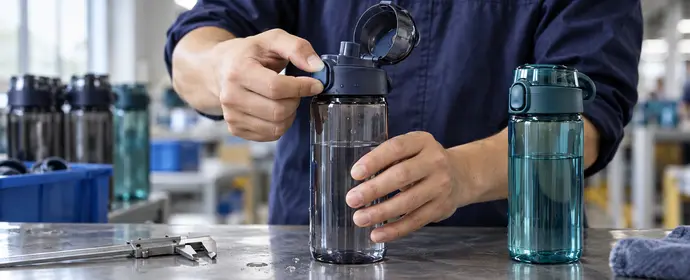
Sampling protects both sides. A typical path includes a stock sample to confirm basic construction, a decorated sample to confirm artwork and color, and a pre-production sample that matches the final specification. For custom sports water bottles, the decorated sample is critical because print position, color accuracy and surface adhesion vary by method and material.
Each sample stage should produce a written approval record. The record should include the sample date, the specification version, the decoration reference and any deviations the buyer accepts. This prevents disputes later when production units differ from the approved sample.
Sample time and sample cost depend on the bottle type, decoration method and whether new tooling is involved. Request a sample plan with your quotation so you can align internal review and marketing timelines. If you need to evaluate a platform before committing, use the sample request page to start the process.
How MOQ, quotation, production timing and unit-cost direction depend on specification and order structure
MOQ is not a single number. It is the outcome of several variables: mold availability, material, color, decoration method, packaging and order structure. A stock-color bottle with a simple one-color print usually has a lower MOQ than a custom-colored bottle with multi-color decoration and custom packaging. When you request a quotation, ask the supplier to state the MOQ for each configuration so you can compare options.
Unit cost direction follows the same logic. Larger quantities spread fixed costs such as mold setup, print setup and packaging setup across more units. Complex decoration, premium materials and custom packaging add cost. Freight terms and destination also affect the landed cost, so request a quotation that separates product cost, packaging cost and freight where possible.
Production timing depends on material availability, mold scheduling, decoration capacity and packaging lead time. Suppliers should provide a production schedule based on your confirmed specification and quantity. Avoid assuming a standard lead time; ask for a written timeline after sample approval.
For wholesale and private label programs, review the wholesale water bottles page and the private label water bottles page to understand how order structure affects pricing and customization options.
Quality confirmation, inspection scope, packaging, carton marks, shipping terms and documentation
Quality confirmation should be defined before production, not after. The buyer and supplier should agree on inspection scope: appearance, color, print position, closure function, assembly, leak check where applicable and packaging integrity. The inspection criteria should reference the approved sample and the written specification.
Packaging and carton marks matter for retail and distribution. Confirm poly bag or color box requirements, carton dimensions, carton strength, barcode placement, shipping marks and any retailer-specific labeling. For private label, confirm that artwork files and barcode data are approved before printing.
Shipping terms should be stated clearly: EXW, FOB, CIF or another Incoterm. Documentation requirements vary by destination market and may include commercial invoice, packing list, bill of lading, certificate of origin and any product-specific test reports. Request the applicable documents for your market and product specification; do not assume that a document provided for one market applies to another.
If your program requires compliance documentation, ask for the specific test report or declaration that applies to the resin, the finished bottle and the destination market. Keep these records with the approved sample and specification.
RFQ checklist for an accurate quotation and the next step for submitting project details
Use this checklist when you submit an RFQ for sports water bottles. It helps suppliers quote accurately and reduces the risk of mismatched expectations.
- Bottle type and reference product or platform
- Capacity and material preference
- Closure type and any accessory requirements
- Color and finish
- Logo artwork, decoration method and placement
- Packaging format and carton marking requirements
- Total quantity and size or color breakdown
- Destination market and required documentation
- Target delivery date and preferred shipping terms
- Sample requirements and approval timeline
When you submit these details, ask for a quotation that separates tooling, product, decoration, packaging and freight. Also request the applicable specification sheet, sample plan and production timeline. If you are comparing platforms, include the product links or reference numbers so the supplier can quote the correct construction.
| Decision area | What to define | Why it matters |
|---|---|---|
| Bottle type and capacity | Squeeze, wide-mouth, straw, shaker, motivational or large-capacity; size range | Determines mold, closure and drinking experience |
| Material | PP, Tritan, PC or other food-contact resin; request specification | Affects clarity, durability, compliance and cost |
| Closure and decoration | Flip-top, push-button, straw, screw cap; print or label method | Affects tooling, MOQ and unit cost |
| Mold route | Existing mold, ODM platform or new tooling | Drives development cost and timeline |
| Sampling | Stock, decorated and pre-production samples with approval records | Confirms specification before mass production |
| Order structure | Quantity, color breakdown, packaging, destination market | Sets MOQ, unit cost direction and production timing |
| Quality and documentation | Inspection scope, packaging, carton marks, shipping terms, test documents | Reduces risk at delivery and customs |
Ready to move from planning to quotation? Submit your project details through the contact page or request a sample to evaluate a platform. For buyers comparing formats, start with the sports water bottles collection and the customization page to align your brief with available options.
Frequently Asked Questions
What information do I need to provide for a bulk sports water bottle quotation?
Provide bottle type, capacity, material preference, closure type, color, logo artwork and decoration method, packaging format, total quantity, destination market and required documentation. Also state your target delivery date and preferred shipping terms. A complete brief allows suppliers to quote accurately and reduces back-and-forth.
Can I customize an existing sports water bottle mold instead of creating a new one?
Yes, many projects start from an existing mold or supplier-developed platform. You can usually adjust color, closure configuration, decoration, accessories and packaging within the limits of that platform. Structural changes such as a new shape or thread require new tooling and separate evaluation.
How does ODM development work for custom sports water bottles?
In ODM development, you start from a supplier-developed design or existing product platform and adjust available elements such as color, lid configuration, decoration, accessories or packaging. Structural changes and new tooling require separate evaluation. ODM is often used when you want a differentiated product without funding a completely new mold.
What samples should I request before approving a bulk sports water bottle order?
A typical sampling path includes a stock sample to confirm basic construction, a decorated sample to confirm artwork and color, and a pre-production sample that matches the final specification. Each stage should produce a written approval record. Sample time and cost depend on the bottle type, decoration method and whether new tooling is involved.
What quality and shipping documents should I confirm for sports water bottle orders?
Confirm inspection scope, packaging requirements, carton marks and shipping terms before production. Documentation varies by destination market and may include commercial invoice, packing list, bill of lading, certificate of origin and product-specific test reports. Request the applicable documents for your market and product specification.