Straw Water Bottle Design Guide for Custom Wholesale
Key Takeaways
- A complete straw water bottle brief should define bottle type, capacity, resin family, closure and straw configuration, decoration, packaging, quantity and destination market before requesting a quotation.
- Most bulk straw water bottle projects start from an existing product platform, while new tooling and structural changes require separate evaluation and a longer validation path.
- Sampling typically moves through stock sample, decorated sample and pre-production sample, with signed approval records serving as the reference for mass production.
- MOQ, unit cost and production timing depend on the bottle platform, decoration method, packaging format and order structure rather than a single fixed number.
- Quality confirmation, inspection scope, carton marks and shipping terms should be agreed before production begins to reduce import and retail risk.
A straw water bottle project succeeds or fails on the decisions made before the first quotation: bottle type, capacity, resin, closure and straw configuration, decoration, packaging, quantity and destination market. Buyers who define these elements early get comparable quotes, realistic sampling plans and fewer late-stage changes.
What the buyer must define before requesting a quote
A supplier cannot quote accurately against a vague brief. Before contacting manufacturers, assemble a written specification that covers the product, the commercial structure and the compliance context. At minimum, document the bottle type (for example, a plastic straw water bottle with a flip-top lid, a push-button straw, or a sippy-style kids bottle), the target capacity, the intended resin family, the closure and straw mechanism, the color and finish, the logo or decoration method, the retail packaging format, the order quantity and the destination market.
Also state whether the project is a stock-platform customization or a new development. That single distinction changes the tooling path, the sampling sequence and the commercial terms. If the brief is incomplete, suppliers will either quote against assumptions or ask clarifying questions, both of which slow the project down.
Product brief: bottle type, capacity, material, closure, color, logo, packaging, quantity and destination market
The product brief is the core document. Treat it as a controlled specification rather than a casual email.
Bottle type and capacity
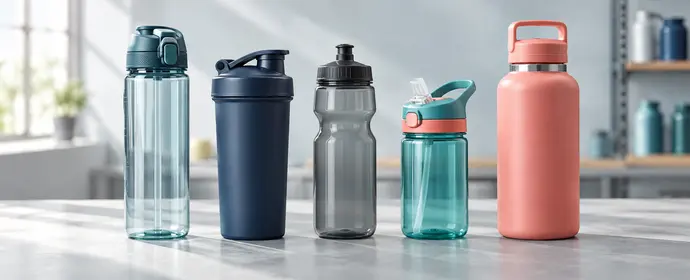
Straw bottles span several formats: everyday hydration bottles, sports and fitness bottles, kids bottles with sippy or straw tops, motivational bottles with time markings, and large-capacity bottles. Each format implies different wall thickness, lid geometry and straw length. Capacity should be stated in the unit your market uses, and the same figure should appear in the specification, the artwork and the carton marks.
Material and closure
Common resin families for reusable plastic bottles include PP, PET, PC and Tritan. Each has different clarity, heat tolerance and cost implications, and food-contact suitability depends on the specific grade and the destination market’s regulations. Do not assume that a resin name alone confirms compliance. Request the applicable material specification and food-contact documentation for the exact grade proposed.
Closure choice drives the drinking experience and the parts list. A straw water bottle may use a flip-top lid, a push-button lid, a screw cap with an internal straw, or a sippy spout for kids. Each configuration has its own straw, gasket and valve components, and each adds assembly steps. Decide whether the straw is fixed or removable, whether it is silicone or rigid plastic, and whether a dust cover is required.
Color, logo and decoration
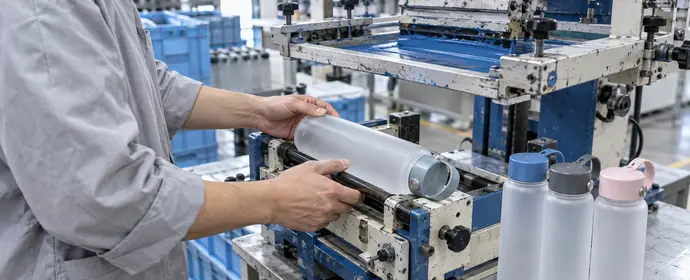
Color can be specified as a Pantone reference, a master batch code or a physical sample. Decoration options for plastic bottles typically include silk screen printing, pad printing, heat transfer, in-mold labeling and shrink sleeve. The right method depends on artwork complexity, bottle curvature, run length and the finish of the bottle surface. Ask the supplier to confirm which decoration methods are available for the specific bottle and resin, and request a decorated sample before mass production.
Packaging, quantity and destination market
Packaging decisions include polybag or none, individual color box or hang tag, inner carton, master carton, carton mark layout and pallet configuration. Quantity should be expressed as a total order and as an estimated annual volume if the project is ongoing. The destination market determines labeling language, importer details, recycling marks and any market-specific documentation. State the destination port or delivery point so shipping terms can be quoted correctly.
Existing molds versus new tooling, and when ODM development may be appropriate
Most bulk straw water bottle projects start from an existing product platform. The supplier already has a bottle body, lid and straw combination that has been produced before, and the buyer customizes available elements: color, lid configuration, straw type, decoration, accessories and packaging. This is the fastest and usually the most cost-effective path because it avoids new tooling and re-validation of the bottle structure.
New tooling is a separate decision. If the buyer needs a different bottle shape, a unique lid mechanism, a proprietary straw geometry or a capacity that no existing platform covers, a new mold may be required. Tooling projects involve design review, mold flow considerations, sample iterations and a longer timeline. They also require a clear understanding of who owns the tool and how it is maintained.
ODM sits between these two paths. In an ODM arrangement, the buyer starts from a supplier-developed design or an existing product platform and adjusts the elements that are available for customization. Structural changes and new tooling are evaluated separately because they affect mold cost, sampling and validation. ODM is appropriate when the buyer wants a differentiated product without funding a full new mold program, and when the supplier’s platform already matches the target market and use case.
Sampling path: stock sample, decorated sample, pre-production sample and approval records
Sampling is a staged process, and each stage answers a different question.
- Stock sample: confirms the base bottle, lid, straw and capacity. It shows the platform as it exists before customization.
- Decorated sample: confirms color, logo placement, print method and artwork appearance on the actual bottle surface.
- Pre-production sample: confirms the final specification, including closure function, straw fit, packaging and carton marks, before mass production begins.
- Approval records: signed samples, artwork files, specification sheets and approval emails that document what was agreed.
Keep approval records for every stage. If a dispute arises later, the signed pre-production sample is the reference point. Sample lead time and sample cost depend on the bottle platform, the decoration method and the supplier’s current schedule, so request those figures as part of the quotation rather than assuming them.
How MOQ, quotation, production timing and unit-cost direction depend on specification and order structure
MOQ is not a single number that applies to every project. It depends on the bottle platform, the decoration method, the packaging format and the order structure. A stock bottle with a simple one-color print typically has a different minimum than a custom-colored bottle with heat transfer decoration and individual color boxes. New tooling introduces its own commercial structure, and the relationship between tooling and MOQ should be discussed directly with the supplier rather than assumed.
Quotation structure matters as much as the headline unit price. Ask for a breakdown that separates bottle, lid, straw, decoration, packaging, assembly, inspection, carton and freight. This makes it possible to compare suppliers fairly and to see which specification changes drive cost. Unit cost direction usually improves as order quantity increases, but the curve depends on setup costs, material prices and decoration complexity. Production timing depends on material availability, decoration scheduling, assembly capacity and shipping method. Request a production schedule with the quotation and treat it as an estimate until the order is confirmed.
Quality confirmation, inspection scope, packaging, carton marks, shipping terms and documentation
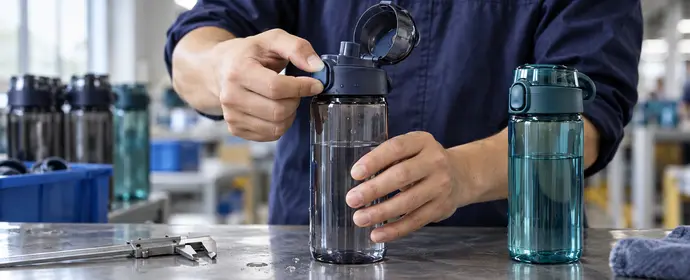
Quality confirmation should be defined before production, not after. Agree on the inspection scope: what is checked, at what stage, and against which standard. Typical checks for a straw water bottle include bottle appearance, color match, print registration, lid function, straw fit, assembly completeness and packaging condition. If the destination market requires specific testing or documentation, identify those requirements early and confirm which party is responsible for providing them.
Packaging and carton marks are part of the specification. Confirm polybag or no polybag, individual box or bulk pack, inner carton quantity, master carton dimensions and weight, carton mark content, barcode placement and pallet pattern. Shipping terms should be stated clearly, whether EXW, FOB, CIF or another Incoterm, along with the destination port and the documentation required for import clearance.
| Aspect | What to define | Why it matters |
|---|---|---|
| Bottle type and capacity | Format, target capacity, unit of measure | Drives mold platform, straw length and packaging |
| Material and closure | Resin family, lid type, straw configuration, gasket | Affects function, compliance path and parts list |
| Decoration | Color reference, logo method, artwork files | Determines sample type and print setup |
| Tooling path | Existing platform, ODM adjustment or new mold | Changes timeline, cost structure and validation |
| Sampling | Stock, decorated, pre-production, approval records | Confirms specification before mass production |
| Commercial terms | MOQ, quotation breakdown, schedule, Incoterms | Enables fair supplier comparison and planning |
| Quality and documentation | Inspection scope, packaging, carton marks, certificates | Reduces import and retail risk |
RFQ checklist for an accurate quotation and the next step for submitting project details
Use this checklist when preparing an RFQ for bulk straw water bottles:
- Bottle type and reference image or existing product link
- Target capacity and unit of measure
- Resin family and any known material requirements
- Closure and straw configuration, including gasket or valve details
- Color reference and decoration method with artwork files
- Packaging format, carton mark requirements and barcode needs
- Order quantity, estimated annual volume and delivery schedule
- Destination market, port and required documentation
- Sampling requirements and approval process
- Any testing, labeling or compliance requirements for the destination market
Submit these details through the inquiry page so the supplier can respond with a specification-based quotation rather than a generic price list. If the project is still at an early stage, start by reviewing the straw water bottles category and the customization capabilities to identify which platform best matches the target market. For projects that require a differentiated structure, request a tooling evaluation separately. The more complete the brief, the faster the path from quotation to sample to production.
Frequently Asked Questions
What information is needed to quote a custom straw water bottle project?
A supplier needs the bottle type, target capacity, resin family, closure and straw configuration, color and decoration method, packaging format, order quantity and destination market. Artwork files, carton mark requirements and any testing or labeling needs should also be included. The more complete the brief, the more accurate the quotation.
Can a straw water bottle be customized from an existing mold?
Yes. Many projects start from an existing bottle platform and customize available elements such as color, lid configuration, straw type, decoration, accessories and packaging. Structural changes to the bottle or lid typically require new tooling and a separate evaluation.
What is the difference between OEM and ODM for straw water bottles?
In OEM, the buyer provides the design or specification and the manufacturer produces to it. In ODM, the buyer starts from a supplier-developed design or existing product platform and adjusts available elements. Structural changes and new tooling are evaluated separately in both cases.
How does MOQ affect the unit cost of bulk straw water bottles?
MOQ depends on the bottle platform, decoration method, packaging format and order structure. Unit cost direction usually improves as order quantity increases, but the curve varies with setup costs, material prices and decoration complexity. Request a quotation breakdown to see which specification changes drive cost.
What quality checks should be agreed before producing straw water bottles?
Agree on inspection scope before production: bottle appearance, color match, print registration, lid function, straw fit, assembly completeness and packaging condition. If the destination market requires specific testing or documentation, identify those requirements early and confirm which party provides them.