Plastic Water Bottle Types: A Buyer’s Guide for Custom Orders
Key Takeaways
- An accurate water bottle quotation starts with a defined bottle type, capacity, material, lid, decoration, packaging, quantity and destination market.
- Existing product platforms can shorten development, while structural changes and new tooling need a separate feasibility and cost review.
- Stock, decorated and pre-production samples answer different questions, so the approval stage should match the customization level.
- MOQ, unit cost and production timing depend on the selected product and order structure rather than one fixed number for every project.
Before a factory can quote a custom plastic water bottle accurately, the buyer should define the bottle type, capacity, material, closure, color, logo or decoration, packaging, quantity and destination market. Those choices determine which existing product platform is suitable, whether new development is needed and what should be checked during sampling.
Start With the Bottle Type and Use Case
The best bottle structure depends on how the product will be used and sold. A promotional giveaway, gym bottle, cycling squeeze bottle, kids bottle and protein shaker do not need the same body material or lid system.
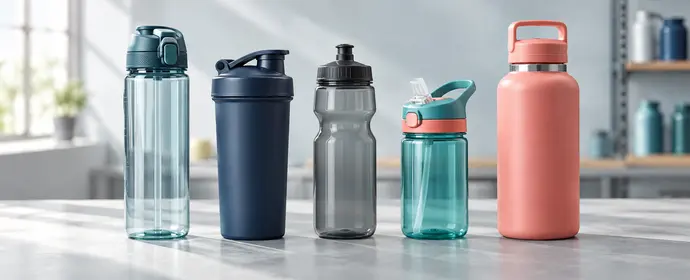
- Sports water bottles: general fitness, team, retail and promotional projects where grip, fast drinking and visible branding matter.
- Squeeze water bottles: useful for cycling and active applications that need a flexible body and quick-flow drinking system.
- Straw water bottles: suited to buyers who want convenient sipping and one-hand use, with cleaning and straw-component access considered during selection.
- Tritan water bottles: commonly selected when a clear reusable body and premium appearance are priorities.
- Large-capacity bottles: designed around higher volume, carrying comfort, lid strength and packed size.
- Protein shaker bottles: require a secure lid plus mixing features such as a ball, grid or storage component depending on the model.
- Kids water bottles: need careful review of age-appropriate use, opening method, component design, cleaning and target-market documentation.
Browse the Water Bottles catalog first if you already know the general format you need.
Define Capacity, Material and Closure Together
Capacity affects bottle dimensions, filled weight, carton packing and the way the user carries the product. Material affects appearance, flexibility and the documentation that may be required. The lid then determines how the bottle is opened, carried, cleaned and used.
For example, PP can be useful for shaker bodies and closures, PE is common for flexible squeeze formats, and Tritan copolyester is often selected for clear reusable bottles. The final material choice should be made against the exact bottle model and destination-market requirements rather than from a generic material label alone.
Closure options can include screw caps, flip tops, push-button lids, straw lids, squeeze nozzles and shaker lids. Confirm that the selected closure is designed for the bottle neck and that the assembled sample meets the intended handling and sealing requirements.
Existing Products, OEM Changes and ODM Development
Starting from an existing bottle platform can reduce development risk and avoid new tooling when the current structure already fits the project. Buyers can often customize practical elements such as body color, lid color, logo, graphics, accessories and packaging while keeping the core bottle structure unchanged.
ODM projects typically start from supplier-developed designs or existing product platforms and then adjust available elements to suit the buyer’s brand or market. Structural changes that alter the bottle body, neck, lid mechanism or component geometry may require engineering review or new tooling. New tooling increases upfront development work and can change the commercial commitment, but the exact MOQ and cost depend on the project rather than one universal rule.
Review Customization if your main requirement is branding, color or packaging rather than a new bottle structure.
Use the Right Sample for Each Approval Stage
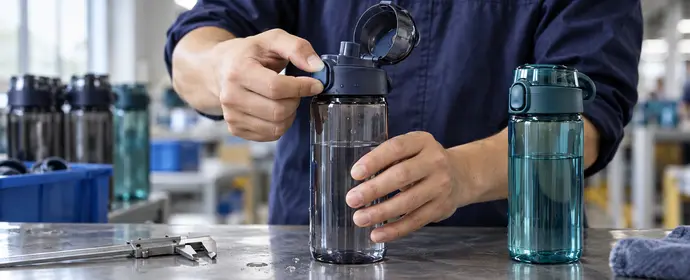
A sample should answer a specific project question. A stock sample is useful for checking size, hand feel, lid operation and general bottle construction. A decorated sample checks logo size, position, color and appearance. When a project involves new tooling, new components or a more complex custom configuration, a pre-production or approval sample may be needed before mass production.
Keep the approved artwork, specification and sample record together. That gives the buyer and supplier one reference for production and final inspection. The Get Sample page explains the different sample routes in more detail.
MOQ, Unit Cost and Lead Time Come From the Final Specification
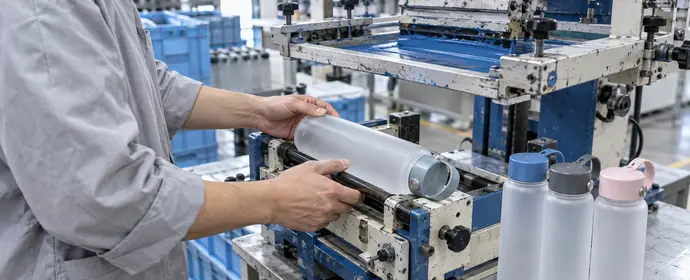
MOQ and price are influenced by the bottle model, material, color split, decoration process, packaging, component sourcing and order quantity. A simple existing bottle with one logo may have a different commercial structure from a project with custom colors, multiple prints, retail packaging or new tooling.
Production timing also depends on what must be prepared before manufacturing starts. Artwork approval, color matching, sample confirmation, material availability, packaging and inspection can all affect the schedule. Instead of relying on a generic lead-time statement, ask for a project schedule tied to the approved specification.
Plan Quality, Packaging and Shipping Before Production
Quality requirements should be defined before the order enters production. Typical checkpoints can include appearance, lid fit, sealing, opening function, color, decoration, accessories, packaging and carton marks. If the buyer needs third-party inspection or a specific sampling standard, that requirement should be included in the RFQ and purchase order.
Packaging can range from export bulk packing to individual retail boxes, labels, barcodes or gift sets. Shipping terms such as EXW, FOB or other Incoterms should be stated clearly so both sides understand which costs and responsibilities are included in the quotation.
RFQ Checklist for an Accurate Quotation
- Bottle type or reference model
- Capacity and key dimensions if already defined
- Material requirement and destination-market documentation
- Lid or drinking system
- Body and lid colors
- Logo file, print method preference and artwork size
- Packaging, labels, barcode and carton-mark requirements
- Order quantity and expected reorder volume if known
- Destination country and preferred shipping term
- Sample and inspection requirements
If some details are still open, send the target use case and a reference product first. A supplier can then narrow the product options before you spend time finalizing artwork or packaging.
| Decision | What to define | Why it matters |
|---|---|---|
| Bottle format | Sports, squeeze, straw, shaker, kids or large-capacity | Sets the starting product structure and use case |
| Material & lid | Body resin, closure and drinking system | Affects appearance, handling and documentation |
| Branding | Logo, colors, artwork and packaging | Determines sample and decoration requirements |
| Order structure | Quantity, color split, packaging and destination | Influences quotation, MOQ and production planning |
| Approval | Sample, specification and inspection criteria | Creates a clear reference before mass production |
Next Step: Shortlist the Product Before Finalizing the RFQ
For most buyers, the fastest route is to choose the closest existing bottle first and then define the customization around it. Compare the Plastic Water Bottles range, review relevant Applications, and then send your quantity, logo, packaging and destination requirements through the Contact page for an exact quotation.
Frequently Asked Questions
What are the main plastic water bottle types for custom orders?
Common B2B formats include sports bottles, squeeze bottles, straw bottles, Tritan bottles, large-capacity bottles, protein shakers and kids bottles. The right format depends on the use case, drinking system, branding and target market.
Should I use an existing bottle or develop new tooling?
Use an existing product platform when the available structure already meets the project and differentiation can come from color, logo or packaging. Consider structural development or new tooling when the required bottle body, neck, lid or component geometry is not available in an existing design.
What is the difference between a stock sample and a decorated sample?
A stock sample helps confirm the bottle structure, size and basic function. A decorated sample adds the approved logo, color or other branding so the buyer can evaluate the final appearance before production.
How does order quantity affect a custom bottle quotation?
Quantity is one factor, but the bottle model, material, color split, printing, packaging and tooling also influence cost and MOQ. Request pricing for the exact configuration instead of assuming one standard MOQ or unit price.
What should I include in a plastic water bottle RFQ?
Include the bottle type, capacity, material, lid, colors, logo artwork, packaging, quantity, destination market, sample requirements and shipping term. A reference product or photo is useful when the final specification is not yet complete.