
Active adults with reusable water bottles beside a riverside cycling path

Bike Cage Water Bottles for Frame Clearance, Secure Retention and Easy Removal

Bike cage compatibility depends on more than bottle capacity or a nominal body diameter. The shoulder, retention groove, lid height and cage contact points all affect whether a bottle stays in place and can be removed. Bike shops and accessory brands should validate a cage bottle against the specific cages and frames they intend to support, then describe that tested fit accurately.

Where Bottle-Cage Compatibility Becomes the Main Requirement

A bottle that works in one open frame triangle may be awkward in a compact frame or beneath a frame bag. A side-entry cage changes the removal path, while a tight cage changes insertion force. The buying decision therefore starts with the intended bike and cage combinations, not just a catalog label saying cycling bottle.

Use this fit-focused specification for bottle-and-cage bundles, workshop recommendations and compact-bike collections. Keep drinking performance in the review, but avoid claiming broad compatibility from a single bench sample.

  • Small frames: clearance between the cap and the frame tube during removal.
  • Side-entry cages: the actual lateral insertion and extraction path.
  • Frame-bag setups: space remaining after the bag is installed.
  • Accessory bundles: a bottle and cage validated together before retail sale.
  • Rough-route use: loaded retention without excessive removal force.
Dimensions to Measure Before Choosing a Cage Bottle

Record the body profile at the cage contact points, not only the widest diameter. Include shoulder geometry, groove position, base shape and overall lid height. Two bottles with the same stated volume can have very different clearance and retention.

Compare compact 500-650 ml models and taller options using physical samples. A taller 750 ml bottle may work well in a large frame but fail the removal check in a smaller one. Handles and protruding latch parts can also interfere even when the main body fits.

  • Contact diameter: measure where the cage actually grips the body.
  • Retention profile: check the groove and shoulder against the cage tabs.
  • Overall height: include the nozzle, cover and any projecting latch.
  • Removal envelope: assess the movement needed, not just static space.
  • Filled weight: evaluate retention with the specified capacity filled.
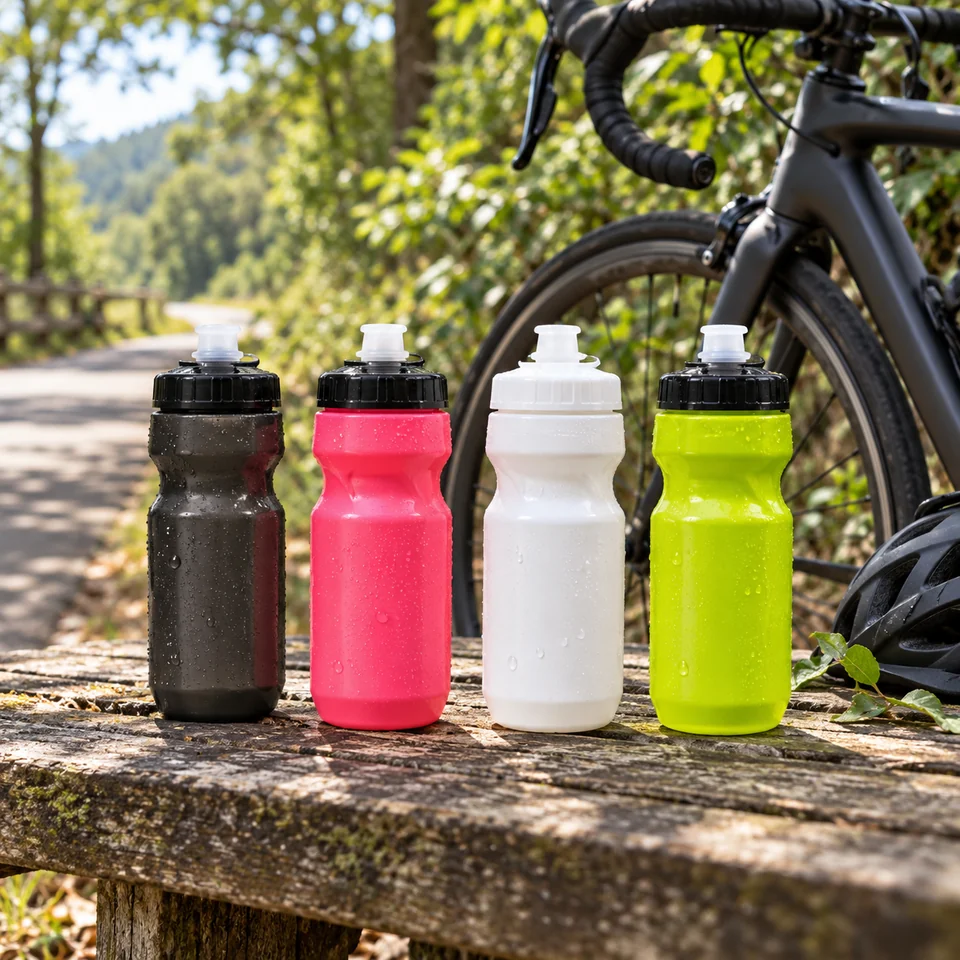
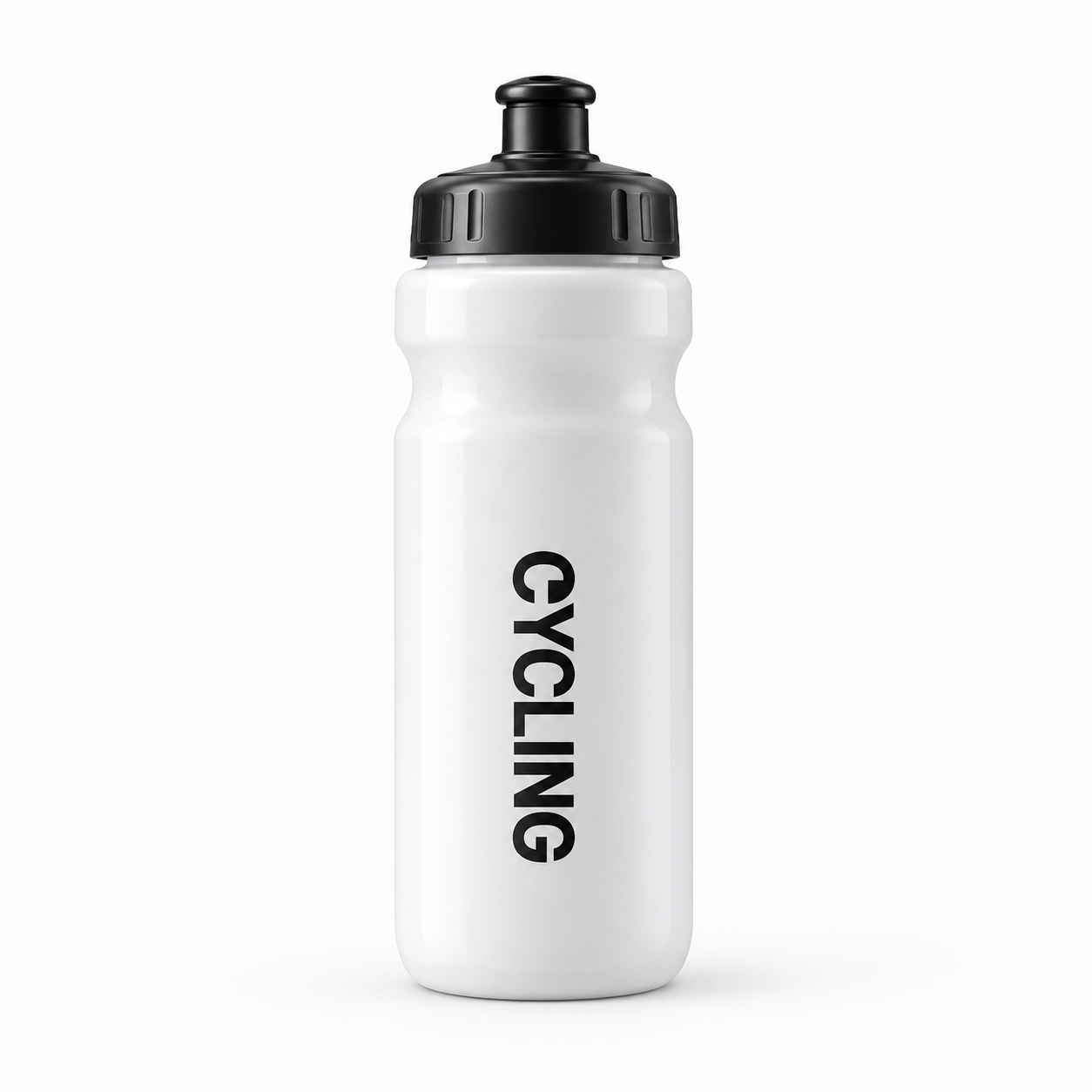
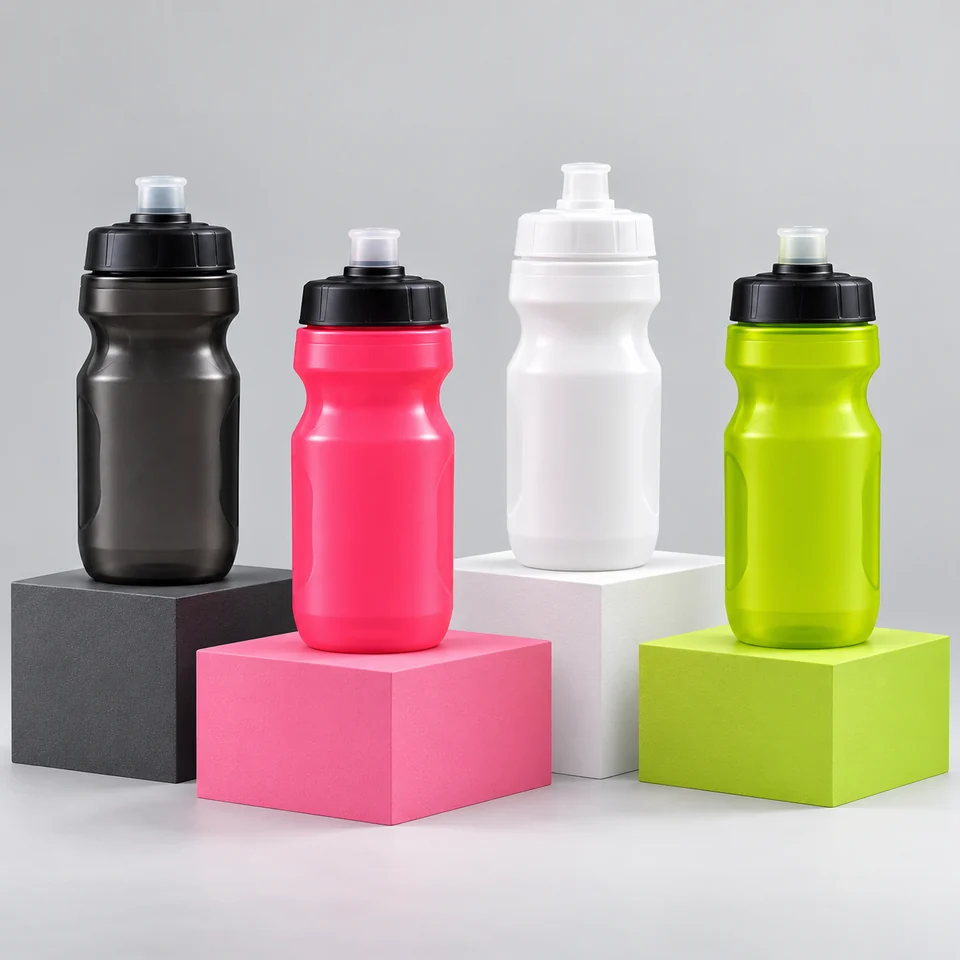
Black, pink, white and lime squeeze bottles with shaped grips
Black, pink, white and lime squeeze bottles with shaped grips.
Black, pink, white and lime squeeze bottles beside a bicycle
Squeeze bottles displayed beside a bicycle.

Logo Placement Around Cage Contact and Wear

Cage arms can cover artwork and rub against the same strip of bottle on every ride. Identify those contact zones before placing the logo. Reserve a visible panel above or between them where the bottle shape allows, and check it installed rather than only held by hand.

Some cosmetic scuffing may occur through normal repeated insertion. Agree decoration expectations and test the selected print method at the contact points. Do not turn a visual wear sample into an unsupported claim of scratch-proof performance.

  • Visible panel: place the primary mark where the mounted cage exposes it.
  • Contact strips: keep fine text and important artwork away where practical.
  • Label or packaging: state the measured model dimensions.
  • Bundle artwork: identify the tested cage model without promising universal fit.

Fit Approval Before Bulk Bottle-and-Cage Orders

Create a short compatibility matrix with cage models, frame sizes and pass criteria. Define acceptable insertion force, removal access and loaded retention. For dynamic checks, use an agreed controlled procedure before extending the result to intended riding conditions.

Keep the approved bottle and cage samples as the production references. If a later shipment changes the mold, body material or lid, recheck compatibility. Quote bundle assembly, individual protection and retail packing separately from loose bottle cartons.

  1. Collect representative cages, frames and frame-bag configurations.
  2. Measure and trial candidate bottles full and partly empty.
  3. Check retention, removal path and artwork visibility for each combination.
  4. Approve the exact model and record the supported combinations.
  5. Inspect bulk dimensions and repeat fit checks if a component changes.

Maintaining Fit Through Repeated Use

Inspect worn bottle shoulders and cage contact points when fit becomes loose or removal becomes difficult. A distorted or damaged body can behave differently from the approved new sample. Cleaning the bottle exterior and cage also removes grit that accelerates rubbing.

Give customers the bottle care instructions and the tested compatibility information. Replacement caps should preserve the approved overall height where clearance is limited.

FAQ

Bike Cage Fit Questions

Is matching the body diameter enough to confirm cage fit?

No. Shoulder shape, retention groove, cage contacts, total height and the removal path also matter. Use a complete filled sample in the intended setup.

Why can the same bottle fit one frame but not another?

Frame size, tube spacing, cage position and bags change clearance. The bottle can sit in the cage yet still lack space for practical removal.

Are side-entry cages suitable for all tall bottles?

Not automatically. Test the lateral removal path and retention with the exact cage, bottle and frame combination.

Can printing be protected from cage rubbing?

Artwork can be positioned away from contact strips and a suitable decoration method can be selected. Review repeated insertion on samples rather than promising no cosmetic wear.

What should a bottle-and-cage bundle specification include?

List both exact models, dimensions, tested frame setups, loaded retention criteria, packing, artwork and the approved reference samples.

Should a new bottle lid trigger another fit check?

Yes if height, projections or handling change. A replacement lid can alter clearance even when the bottle body remains identical.

Treat cage fit as a measured product relationship. A recorded compatibility check gives bike shops and accessory brands useful selling information and a clear basis for approving repeat orders.

Related Water Bottle Products

Compare bottle shapes, capacities, lids and customization options for your order.

All Products
20oz / 24oz Cycling Squeeze Water Bottle

Squeeze Water Bottles

20oz / 24oz Cycling Squeeze Water Bottle

Flexible 20oz / 24oz bike water bottle with a fast-flow locking spout for cycling, team sports and custom-logo programs.

20 oz / 24 ozFlexible plasticFast-flow locking spoutSqueeze nozzle
20oz Cycling Squeeze Water Bottle

Squeeze Water Bottles

20oz Cycling Squeeze Water Bottle

Compact 20oz flexible cycling bottle with a sports squeeze nozzle for road biking, mountain biking, training and team-sport hydration.

20 ozFlexible plasticSports squeeze nozzleSqueeze nozzle

Related Scenarios

More Cycling Options

Back to Cycling

START YOUR PROJECT

Tell Us What You Want to Build

Send the bottle type, quantity and brand requirements. Add a reference file when you have one.

◉ Fast response◉ Confidential inquiry◉ No obligation
Chat on WhatsApp