Protein Shaker Bottle Guide: Materials, Mixing Systems, Customization
Key Takeaways
- A complete protein shaker bottle brief defines bottle type, capacity, material, closure, color, logo, packaging, quantity, and destination market before any quotation is requested.
- ODM development starts from supplier-developed designs or existing platforms and adjusts available elements such as color, lid configuration, decoration, accessories, or packaging; structural changes and new tooling require separate evaluation.
- MOQ depends on material, color, decoration, packaging, and tooling involvement, so buyers should request MOQ by configuration rather than by product family.
- Sampling typically moves from stock sample to decorated sample to pre-production sample, with signed approval records protecting both buyer and supplier.
- Quality confirmation, inspection scope, packaging, carton marks, shipping terms, and documentation should be agreed before production begins.
A protein shaker bottle is a purpose-built drinkware format that combines a leak-resistant body, a mixing element, and a closure system designed for powdered nutrition. For brand owners and procurement teams, the real question is not whether shakers sell, but which material, mixing method, and customization path will support your market position without creating tooling or compliance surprises. This guide walks through the decisions that shape a custom protein shaker bottle program, from product brief to RFQ.
What the buyer must define before requesting a quote
Most quotation delays come from incomplete briefs, not from supplier capacity. Before you contact a protein shaker bottle manufacturer, define the commercial frame: target retail channel, destination market, expected annual volume, and whether you are buying a finished private-label item or developing a new shape. These four points determine which existing platforms are relevant and whether ODM development is worth evaluating.
Also decide who owns the brand experience. If your name appears on the bottle, you need to control color, closure, decoration, and packaging. If you are supplying a gym chain or promotional buyer, the priority may be unit cost and repeatability. Write these priorities down before the first supplier conversation; they prevent the common mistake of optimizing a shaker for a channel it will never reach.
Product brief: bottle type, capacity, material, closure, color, logo, packaging, quantity and destination market
A usable brief covers nine fields. Treat them as a checklist rather than a wish list.
- Bottle type: classic shaker, shaker with mixing ball, one-click flip-top shaker, or shaker with powder storage. Each format changes the closure and internal geometry.
- Capacity: the working volume must accommodate powder, liquid, and headspace. Do not specify capacity from a competitor label alone; confirm the fill line and usable volume with the supplier.
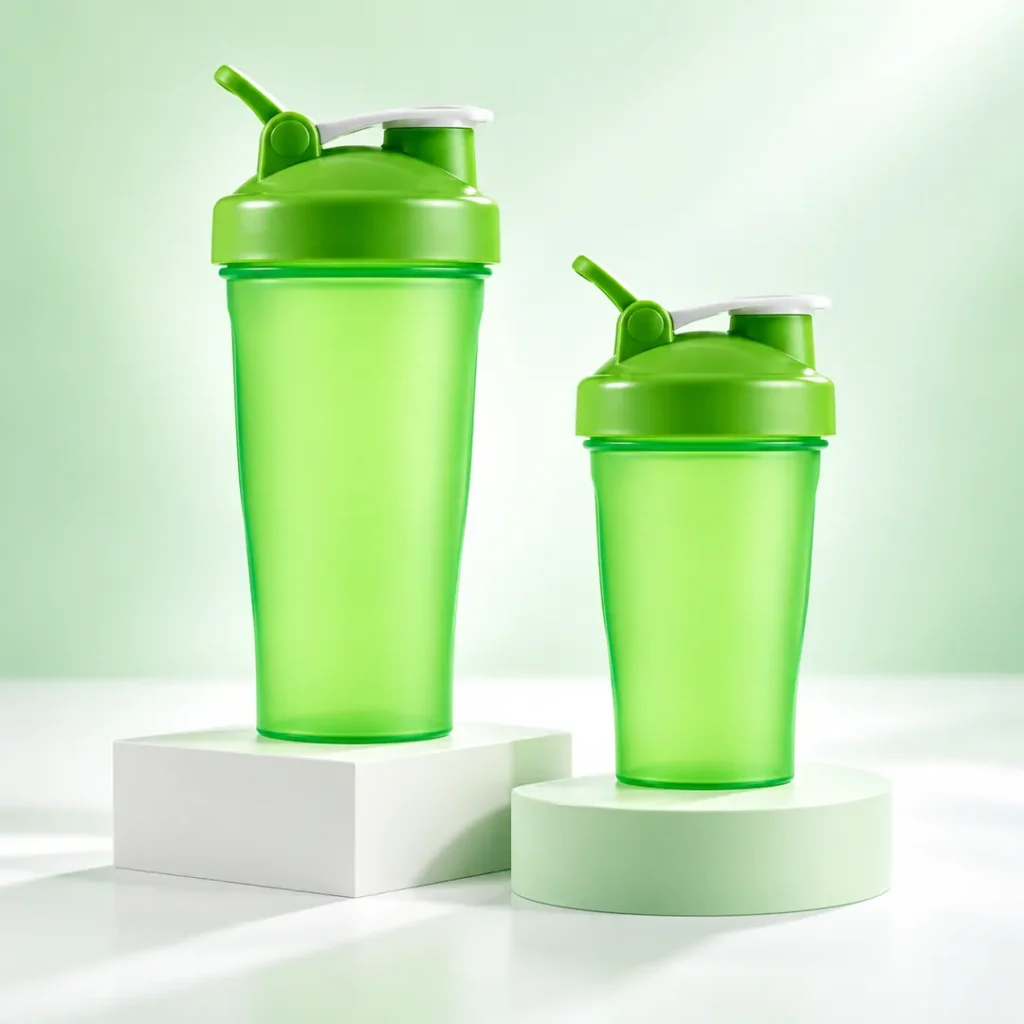
- Material: common shaker bodies use PP, Tritan, or other food-contact plastics. Tritan is often chosen for clarity and a glass-like look, while PP is widely used for opaque bodies. Material grade and food-contact status must be confirmed against the specific resin and market.
- Closure: screw lid, flip-top, push-button, or straw-compatible lid. Closure choice affects leak-resistance testing and user experience.
- Color: solid, translucent, frosted, or two-tone. Color affects perceived quality and decoration options.
- Logo: screen printing, pad printing, heat transfer, or labeling. Placement and coverage should be decided with the decoration supplier.
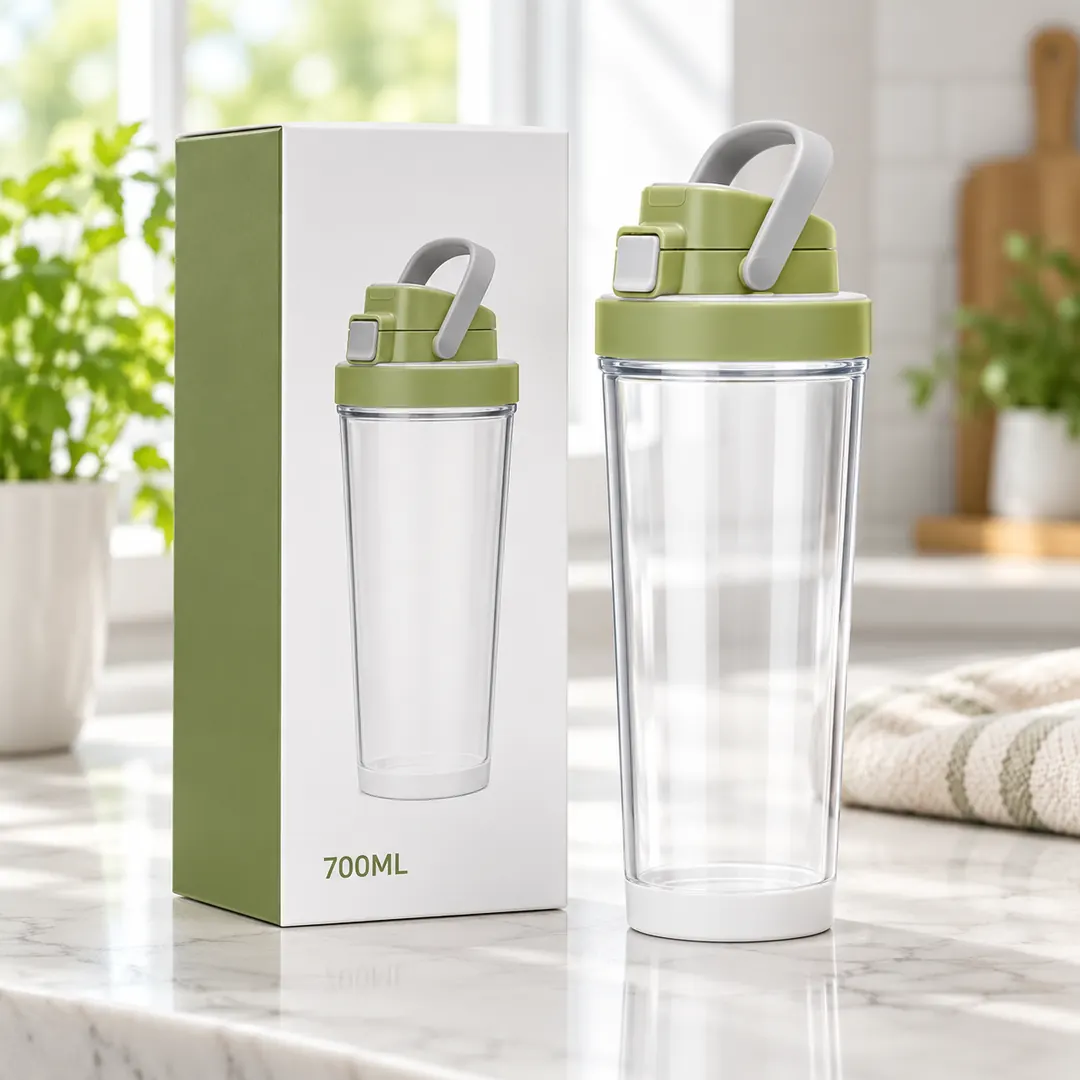
- Packaging: poly bag, retail box, hang tag, or shrink wrap. Packaging drives carton dimensions and freight cost.
- Quantity: first order and forecast. This shapes mold selection and production planning.
- Destination market: determines labeling, documentation, and compliance expectations.
If you are still comparing formats, the Plastic Water Bottles collection and the Protein Shaker Bottles category show the range of body styles and closure types available for customization. Use them to shortlist, not to finalize specifications.
Existing molds versus new tooling, and when ODM development may be appropriate
Two paths exist. The first uses an existing mold platform: you select a proven shaker body and adjust available elements such as color, lid configuration, decoration, accessories, or packaging. This is the fastest route to a custom protein shaker bottle because it avoids structural tooling. The second path requires new tooling for a proprietary shape, thread, or internal mixing feature. That path needs separate evaluation of cost, timeline, and minimum order implications, and it should not be assumed to be cheaper at low volumes.
ODM sits between the two. In ODM, the buyer starts from a supplier-developed design or existing product platform and modifies the elements the platform allows. Structural changes and new tooling are handled as a separate project. ODM is appropriate when you want a differentiated look without owning a full industrial design process, or when you need to move quickly into a retail or gym channel. It is not appropriate when your brand depends on a patented mechanism or a shape no platform can approximate.
Ask the supplier to state clearly which parts of your brief are platform-adjustable and which require tooling. That single answer determines your realistic launch window more than any price discussion.
Sampling path: stock sample, decorated sample, pre-production sample and approval records where relevant
Sampling is a staged process, and each stage answers a different question.
- Stock sample: confirms body shape, capacity feel, closure type, and material appearance. It is not decorated and may not match your final color.
- Decorated sample: shows logo placement, print color, and surface finish. Approve artwork and placement here before production artwork is released.
- Pre-production sample: reflects the final material, color, closure, and packaging combination. This is the sample that should be compared against your approved specification.
- Approval records: keep signed sample approvals, artwork files, and color standards. These records protect both sides if a later shipment is questioned.
Request the sample timeline and any sample cost in writing, and confirm whether sample charges are credited against the production order. The Get Sample page explains how to submit a sample request with your brief.
How MOQ, quotation, production timing and unit-cost direction depend on specification and order structure
MOQ is not a single number. It is a function of material, color, decoration method, packaging, and whether tooling is involved. A single-color, undecorated shaker on an existing platform will generally have a different minimum than a multi-color decorated bottle with custom packaging. Do not assume that new tooling automatically means a higher MOQ; the relationship depends on the platform and the supplier’s production structure. Ask for the MOQ by configuration, not by product family.
Quotation structure matters as much as the unit price. A complete quotation should separate:
- Bottle body and closure
- Mixing element or accessory
- Decoration
- Packaging
- Tooling, if applicable
- Sample charges
- Shipping terms and destination
Unit-cost direction usually improves as order quantity increases and as the number of SKUs decreases, because setup and changeover costs are spread across more units. Production timing depends on material availability, decoration scheduling, and packaging lead time. Ask the supplier to confirm timing for your specific configuration rather than quoting a generic range.
Quality confirmation, inspection scope, packaging, carton marks, shipping terms and documentation
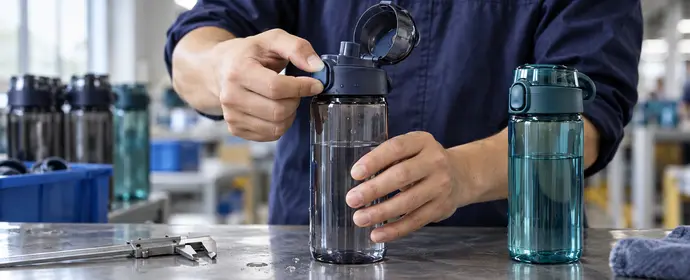
Quality confirmation should be defined before production, not after. Agree on the inspection scope: appearance, color match against the approved standard, closure function, decoration adhesion, and packaging integrity. If your market requires specific test documentation or compliance files, request them for the exact material and configuration you are buying. General industry guidance is not a substitute for product-specific evidence.
Packaging and carton marks are operational details that affect receiving and retail. Confirm poly bag or retail box, master carton quantity, carton dimensions, and whether carton marks must include your SKU, barcode, or handling symbols. Shipping terms should be stated clearly, including Incoterms, port or destination, and who arranges freight. Documentation requirements vary by market; list them in the RFQ so the supplier can confirm what is available.
For buyers comparing suppliers, the Manufacturing page outlines how production and quality processes are typically structured, while the Customization page covers decoration and packaging options.
RFQ checklist for an accurate quotation and the next step for submitting project details
Use this checklist to submit a complete RFQ. A complete brief reduces back-and-forth and produces a quotation you can actually compare.
- Bottle type and reference product, if any
- Capacity and fill-line expectation
- Material preference and any market-specific requirements
- Closure type and mixing element
- Color and finish
- Logo artwork and decoration method
- Packaging format and carton requirements
- First order quantity and annual forecast
- Destination market and required documentation
- Target launch window
- Whether you are open to existing platforms or require new tooling
Submit these details through the Contact page or the inquiry form so the quotation can be prepared against your actual configuration. If you are still selecting a format, review the Protein Shaker Bottles collection and the Custom Logo Water Bottles page before finalizing the brief.
| Decision area | What to define | Why it matters |
|---|---|---|
| Bottle type and capacity | Classic, mixing ball, one-click, powder storage; fill line | Determines closure, internal geometry, and usable volume |
| Material | PP, Tritan, or other food-contact plastic; grade confirmation | Affects appearance, clarity, and compliance documentation |
| Closure and mixing system | Screw, flip-top, push-button, straw; ball or internal mixer | Drives user experience and leak-resistance testing scope |
| Customization path | Existing platform adjustment vs. new tooling vs. ODM | Sets realistic timeline, cost structure, and MOQ discussion |
| Sampling | Stock, decorated, pre-production; approval records | Confirms color, decoration, and final configuration before production |
| Commercial terms | MOQ by configuration, quotation breakdown, timing, Incoterms | Enables accurate comparison between suppliers |
| Quality and documentation | Inspection scope, packaging, carton marks, market documents | Reduces receiving issues and market-entry risk |
When the brief is complete, the next step is a quotation request with your configuration, quantity, and destination market. Suppliers can then confirm what is platform-adjustable, what requires tooling, and what documentation applies to your order.
Frequently Asked Questions
What material is best for a custom protein shaker bottle?
PP and Tritan are common body materials for shaker bottles. Tritan is often selected for clarity and a glass-like appearance, while PP is widely used for opaque or colored bodies. The right choice depends on your target market, decoration plan, and the specific resin grade and food-contact documentation the supplier can provide for your configuration.
Can I customize an existing shaker bottle mold instead of paying for new tooling?
Yes, many customization projects start from an existing platform and adjust available elements such as color, lid configuration, decoration, accessories, or packaging. Structural changes to the body, thread, or internal mixing feature generally require new tooling and a separate evaluation. Ask the supplier to confirm which parts of your brief are platform-adjustable.
How is MOQ determined for custom protein shaker bottles?
MOQ is driven by material, color, decoration method, packaging, and whether tooling is involved. A single-color undecorated shaker on an existing platform typically has a different minimum than a multi-color decorated bottle with custom packaging. Request MOQ by configuration so you can compare options accurately.
What samples should I expect during shaker bottle development?
A typical sampling path includes a stock sample to confirm shape and closure, a decorated sample to approve logo placement and print color, and a pre-production sample that reflects the final material, color, closure, and packaging. Keep signed approval records and color standards for reference during production.
What information should I include in an RFQ for custom protein shaker bottles?
Include bottle type, capacity and fill-line expectation, material preference, closure and mixing element, color, logo artwork and decoration method, packaging format, first order quantity and forecast, destination market, required documentation, target launch window, and whether you are open to existing platforms or require new tooling.